Spring energizers are precision elastic components installed inside spring-energized seals to maintain sealing force under low pressure, dynamic motion, thermal cycling, vacuum conditions, and aggressive media environments.
Different spring profiles are designed for different sealing requirements, operating conditions, and system performance targets.
Different spring geometries are designed to support specific sealing behaviors, preload characteristics, friction requirements, and operating environments.


| Spring Profile | Relative Load Level | Deflection Capability | Relative Friction | Key Characteristics | Typical Applications |
|---|---|---|---|---|---|
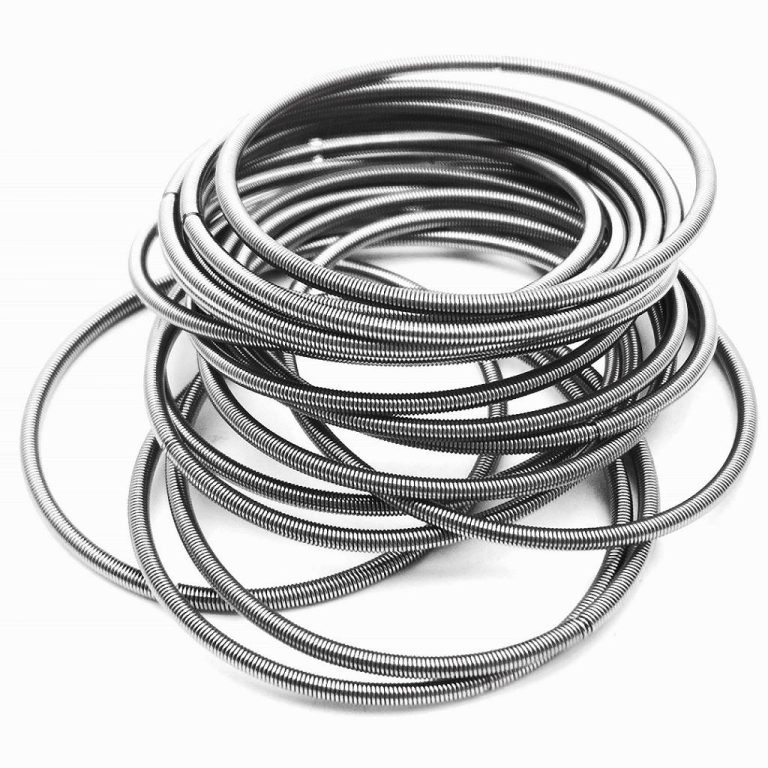
| Helical Spring Energizers | High | Limited | Moderate | High preload capability for static and pressure-intensive sealing systems | High-pressure sealing, cryogenic valves, aerospace sealing systems |
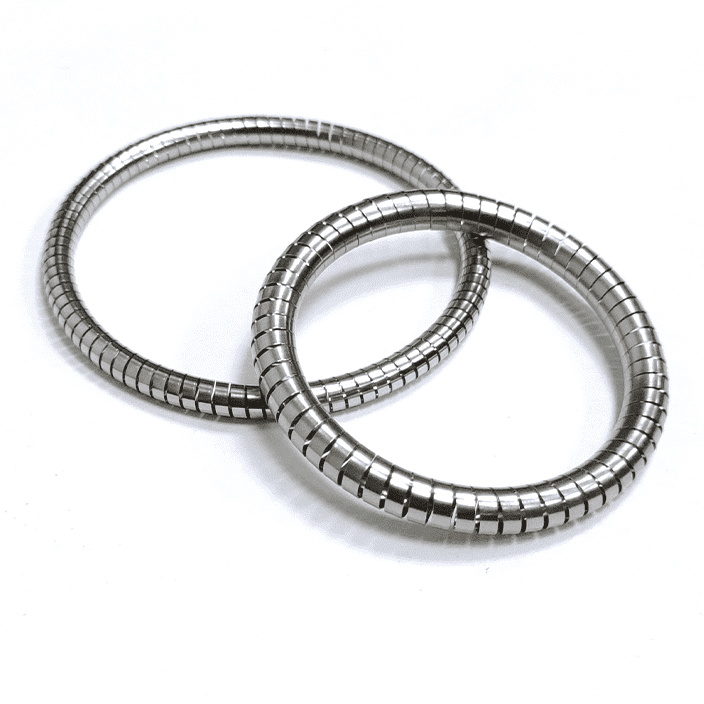
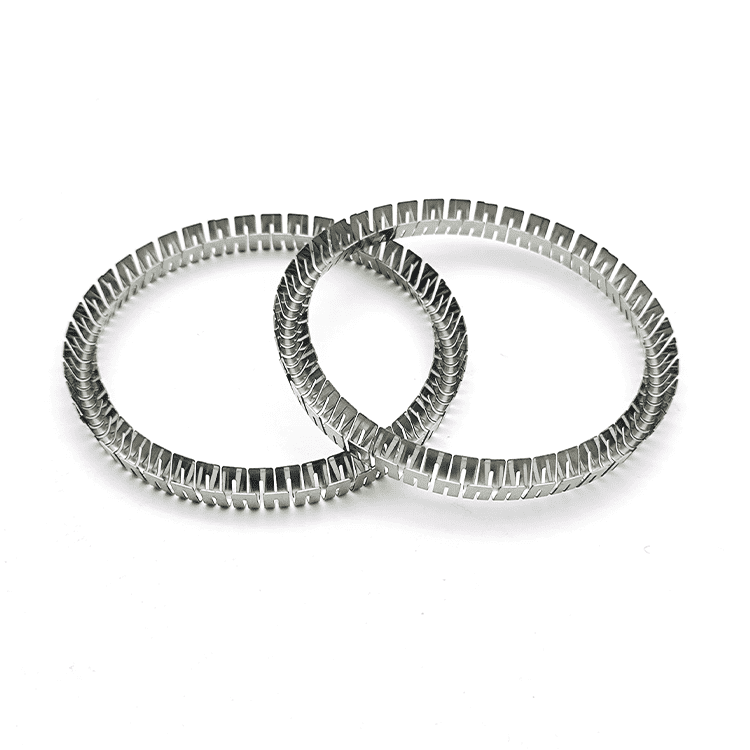
| Cantilever V Spring Energizers | Low to Medium | Moderate | Lower | Balanced sealing force and dynamic sealing capability | Reciprocating motion, rotary sealing, low-friction sealing systems |
| Cantilever U Spring Energizers | Medium | Moderate to Wide | Moderate | Balanced preload force with low-friction sealing behavior | General industrial sealing, hydraulic systems, pneumatic sealing |
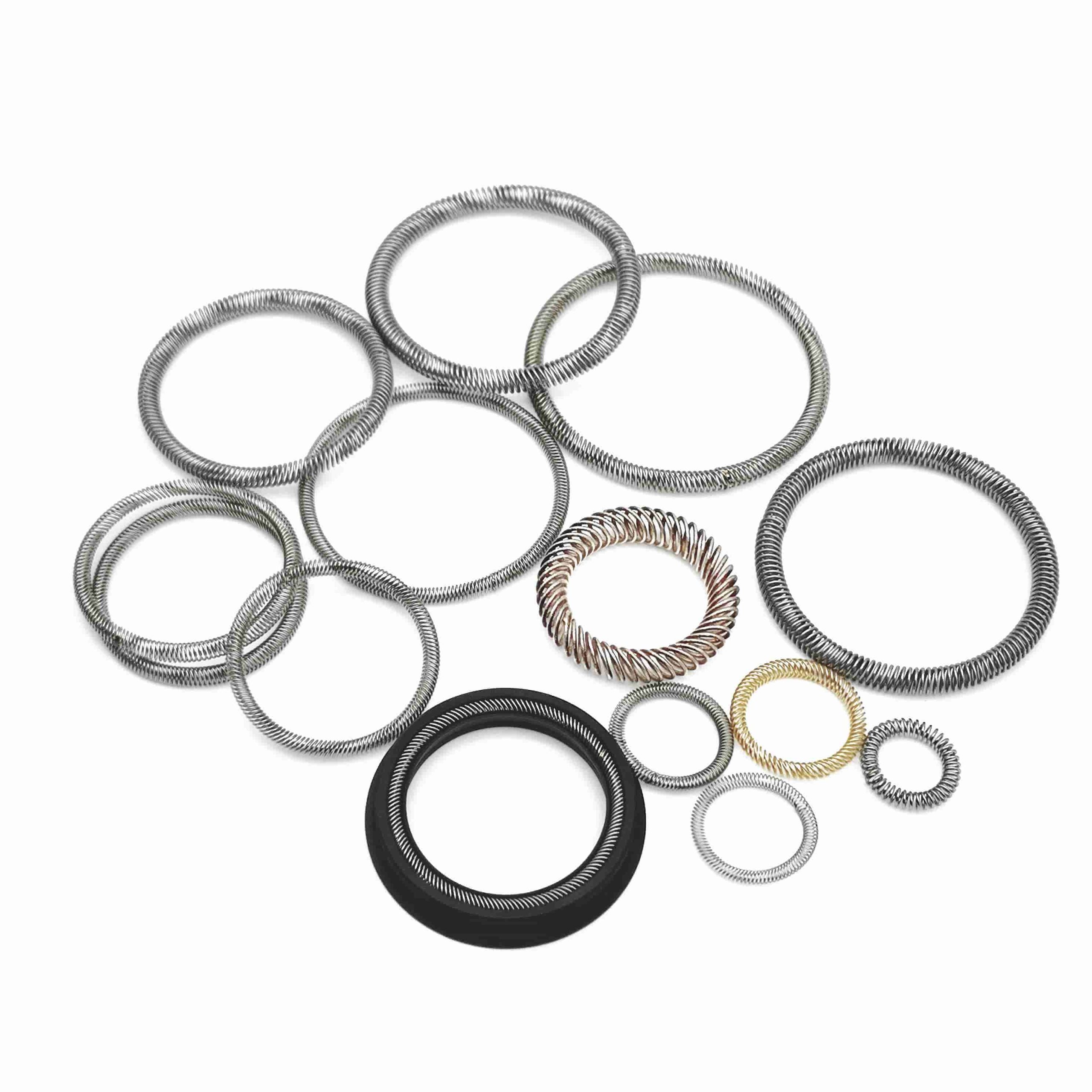
| Canted Coil Spring Energizers | Medium | Wide | Lower | Near-constant force across large deflection ranges | Dynamic sealing, vacuum systems, cryogenic sealing, semiconductor equipment |
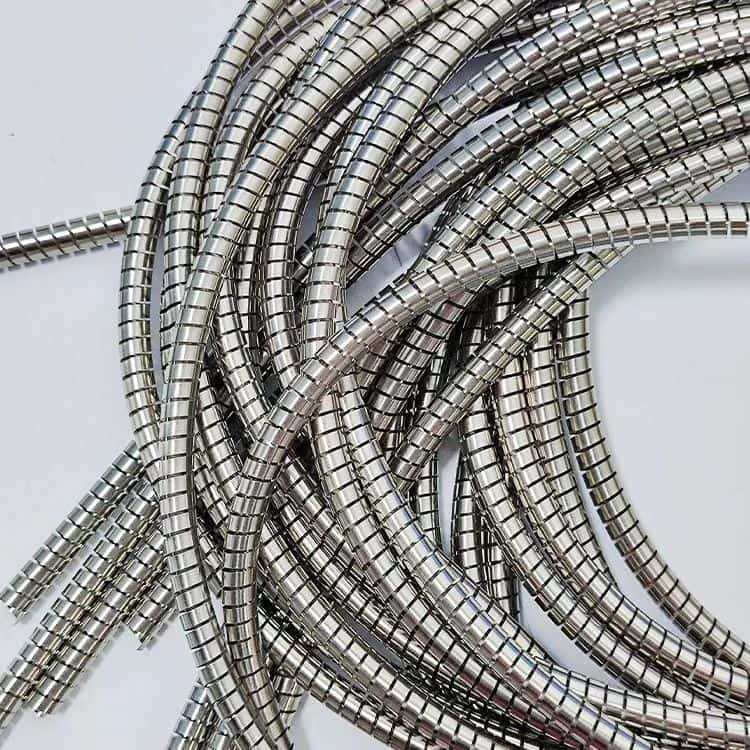
| Full Contact Spring Energizers | Medium to High | Limited | Moderate | Continuous circumferential support for low-leakage sealing | Vacuum sealing, gas sealing, cryogenic systems |
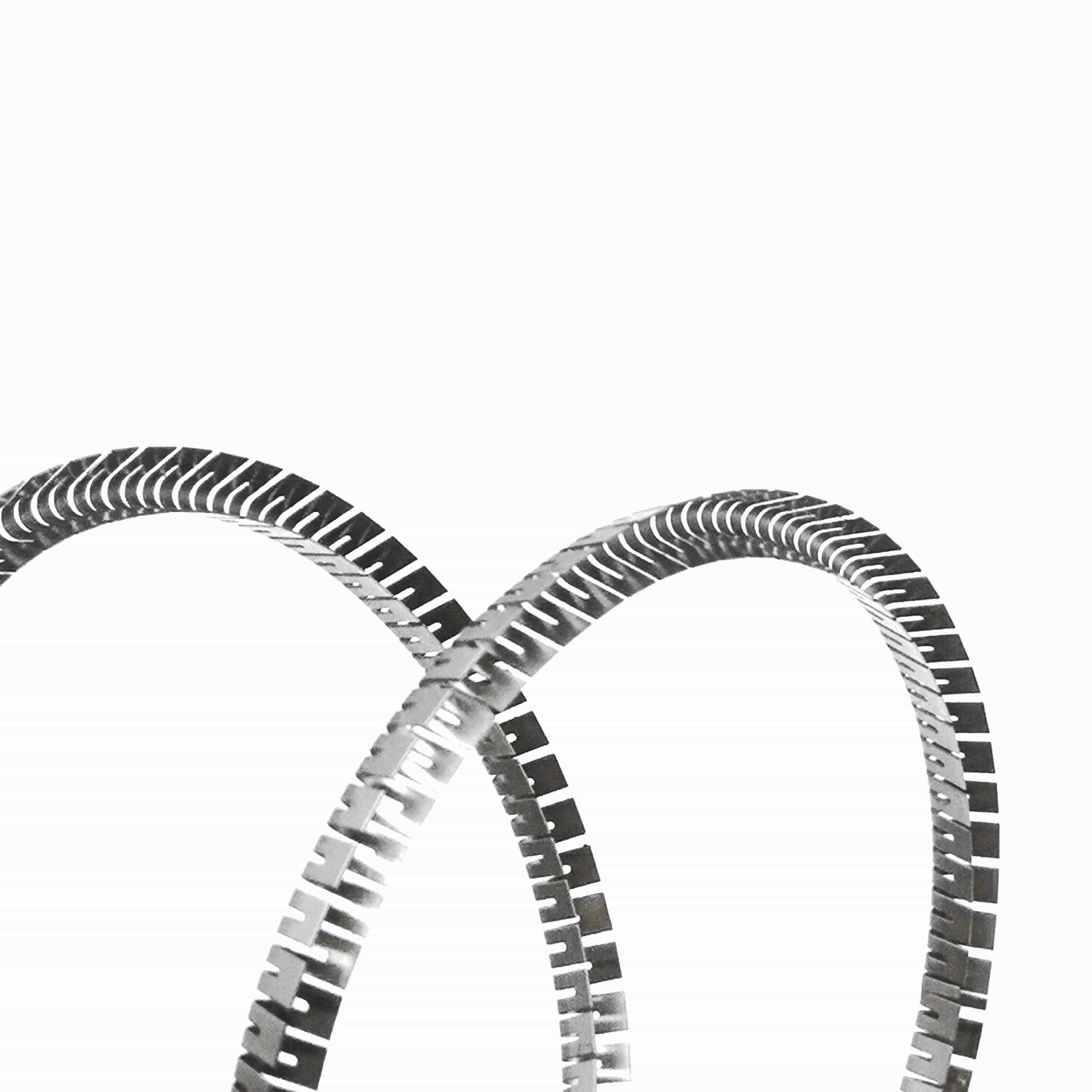
| Detached Leg Spring Energizers | Medium | Wide | Moderate | Flexible geometry adaptation for compact sealing assemblies | Limited-space sealing systems, custom gland designs, aerospace applications |
Performance characteristics shown above are general engineering references only. Actual spring behavior depends on material selection, cross-section geometry, operating pressure, temperature, media compatibility, and sealing system design.
| Operating Condition | Recommended Spring Profiles |
|---|---|
| Dynamic Sealing | Cantilever V Spring Energizers, Canted Coil Spring Energizers |
| High-Pressure Static Sealing | Helical Spring Energizers |
| Cryogenic Applications | Full Contact Spring Energizers, Canted Coil Spring Energizers |
| Vacuum Systems | Full Contact Spring Energizers, Canted Coil Spring Energizers |
| Low Friction Requirements | Cantilever V Spring Energizers |
| Limited Installation Space | Detached Leg Spring Energizers |
| General Industrial Sealing | Cantilever U Spring Energizers |
Spring energizer selection depends on multiple engineering variables including operating pressure, media compatibility, temperature range, dynamic motion type, available gland space, friction requirements, and expected service life.
Different spring geometries generate different preload characteristics, elastic recovery behavior, and sealing force distribution. Material selection also directly influences corrosion resistance, fatigue performance, and long-term sealing stability.
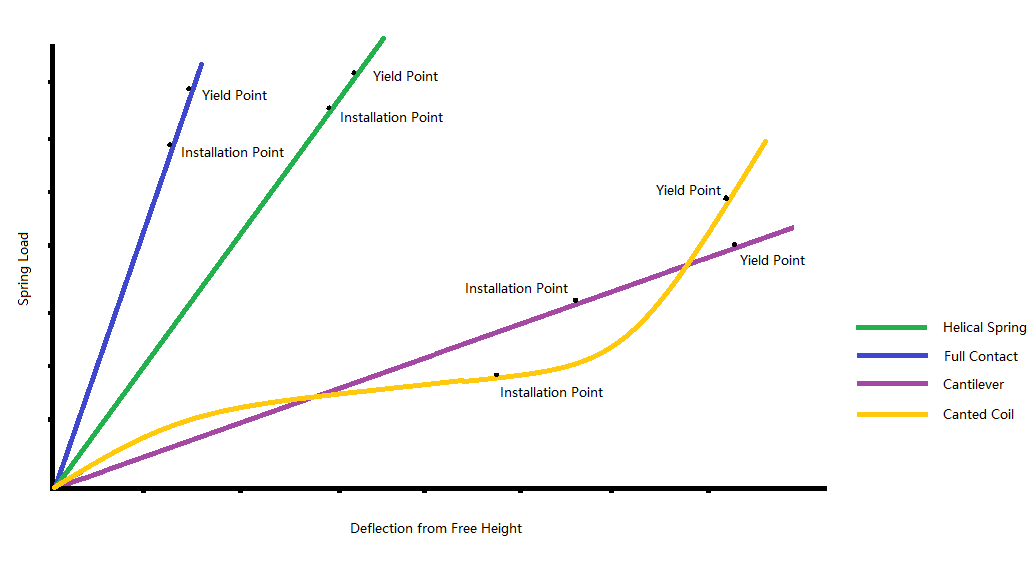
Different spring energizer structures provide different spring force curves, preload characteristics, and deflection behavior.
Helical spring energizers generally provide higher spring loading for static sealing applications, while cantilever spring structures are commonly selected for lower-friction dynamic sealing systems.
Canted coil spring energizers provide relatively stable spring force across wider deflection ranges, making them suitable for applications requiring dimensional compensation and stable contact pressure.

By combining different spring geometries, alloy materials, and manufacturing processes, spring energizers can provide stable preload force and long-term sealing performance across demanding industrial applications.
Excellent corrosion resistance and fatigue performance for long-cycle dynamic sealing applications.
High-strength alloy suitable for demanding sealing environments involving heavy loads and corrosive media.
Corrosion-resistant alloy suitable for aggressive chemical processing and fluid sealing systems.
Widely used precipitation-hardening stainless steel balancing elasticity, strength, and manufacturability.
Handa Spring offers many optional secondary machining and finishing services for this product type. If you need additional services, contact us for more details. contact us for more details.

Handa offers both standard sizes and comprehensive custom production based on your drawings or samples. Customization covers alloy materials, specifications (wire diameter, Strip width, Strip thickness), plating, passivation, and more.
We also provide tailored selection solutions based on your operating conditions—such as high/low temperatures, chlorine environments, strong acid/alkali exposure, service life requirements, and space constraints—to help you choose the optimal structure and alloy material.
Our custom products are widely used across industries including medical, petroleum, electrical, marine, heavy machinery, automotive, and food processing.
We also perform spring energizer welding in-house. Review Features and Benefits of Welded Springs vs. Non-Welding Springs, to determine which is right for your application.
Request a quote to send us your specs or configure a part.
We support custom cross-sections, special alloy processing, prototype sampling, and small-batch production for spring-energized sealing systems used in aerospace, semiconductor, cryogenic, energy, medical, and industrial applications.
Support for custom geometries, special alloy processing, prototype sampling, and application-specific sealing requirements.

WHAT IS A SPRING ENERGIZER?
What Is the Difference Between Spring Energizers and O-Rings?
Which spring energizer is best for dynamic sealing?
Which materials are commonly used for spring energizers?
What Is the Difference Between Helical, V Spring, and U Spring Energizers?
Which Spring Energizer Is Best for Dynamic Sealing Applications?
What Applications Are Canted Coil Spring Energizers Suitable For?
Which Spring Energizers Are Suitable for Cryogenic Applications?
What Materials Are Commonly Used for Spring Energizers?
Which Materials Are Suitable for Cryogenic Sealing Systems?
Do You Support Custom Spring Energizer Manufacturing?